
31°C, New York


Notification products, updates
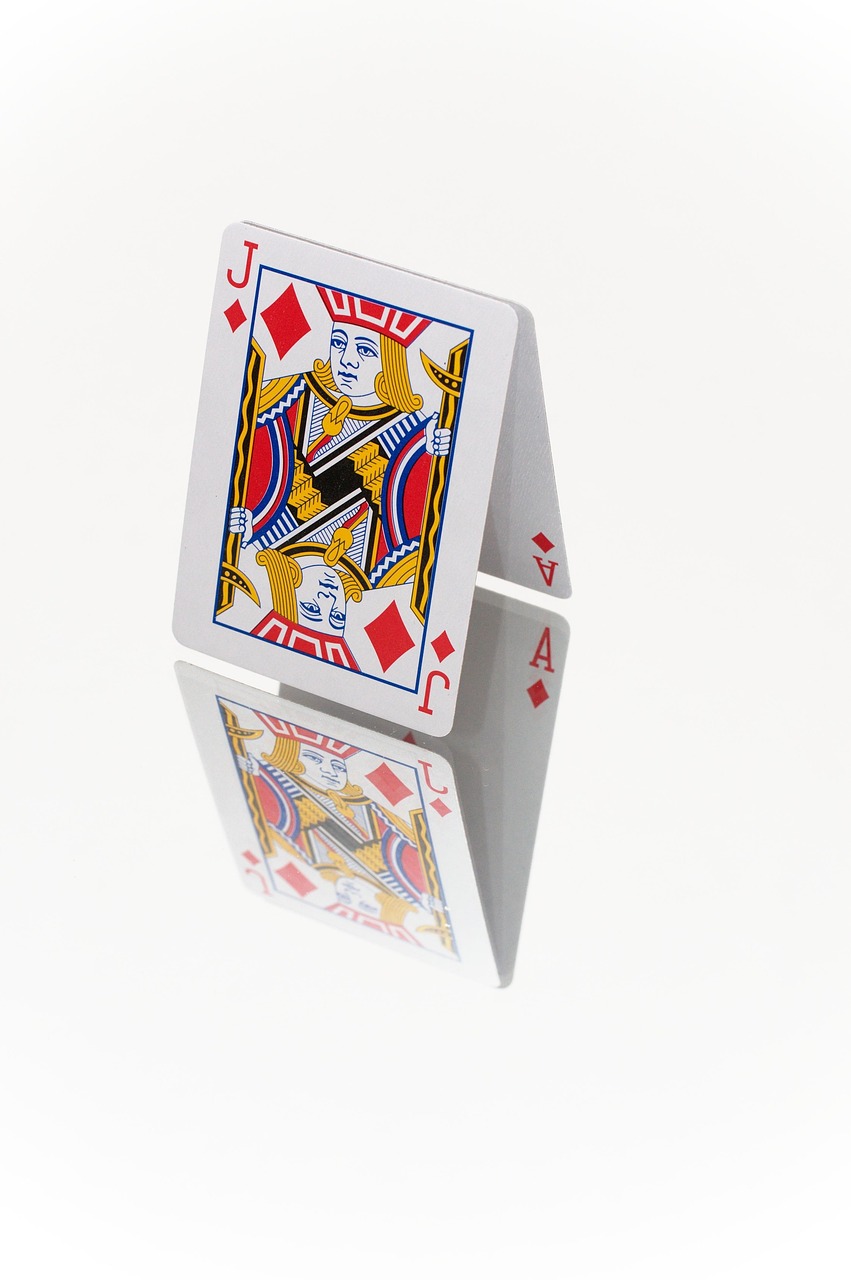
You’ve seen the flashy ads, the streamers with six monitors, the endless pop-ups promising instant riches. But what’s actually going on behind the iGaming curtain? Whether you’re a curious newcomer or a seasoned grinder, this isn’t another listicle of “top 10 bonuses.” It’s a straight-talking breakdown of how casinos, sports betting, slots, and poker really work — and how to navigate them without losing your shirt (or your mind).
iGaming covers any gambling activity done over the internet — casino games, sports betting, poker, bingo, lottery, even virtual sports. The global market hit roughly $90 billion in 2023 and keeps climbing. But size doesn’t mean simplicity. You’ve got regulated markets (like the UK, Sweden, and most US states) where operators need licenses, and grey markets where the rules are murky. The difference matters: licensed sites must prove their games are fair, hold player funds separately, and offer real dispute resolution. Unlicensed sites? You’re on your own if they vanish with your balance.
Here’s a quick reality check before you deposit anywhere:
Every casino game has a built-in advantage for the house. That’s not a bug — it’s how the business stays alive. Your job is to understand it. The house edge is the mathematical average the casino keeps over time. RTP (return to player) is the flip side: the percentage of all wagered money paid back to players. A 96% RTP slot means for every $100 bet, $96 goes back in winnings over millions of spins. Your session might look nothing like that, but it’s the long-run truth.
Table games tend to have lower house edges than slots. Blackjack with basic strategy? Around 0.5%. European roulette? 2.7%. American roulette (with the double zero)? 5.26%. Slots can range from 92% to 98% RTP, but they’re volatile. You might hit a 500x win on your third spin or go 200 spins without a meaningful return. That’s variance — not a conspiracy.
A few concrete tips:
Sports betting feels like you’re outsmarting the bookie. Usually, you’re not. The bookmaker builds a margin — called the vig or juice — into every line. On a standard -110 point spread, you risk $110 to win $100. That’s a 4.55% vig on a two-way market. If you bet randomly, you’ll lose that margin over time. To win, you need an edge: better information, sharper numbers, or situational spots the market hasn’t adjusted for. You can read more about it on สล็อตเว็บตรง.
What does an edge look like? Maybe you follow a mid-major college basketball team whose star player is returning from injury but the line hasn’t moved. Or you notice a weather forecast that favors the under on a totals bet. Or you compare odds across multiple books — one offers +105 while another offers -110 on the same side. That’s arbitrage or, at minimum, line shopping. Pros do it religiously.
Bankroll management is non-negotiable. Flat betting 1-2% of your bankroll per play keeps you in the game during losing streaks. Chasing losses with 10% bombs is how accounts go to zero.
Slots are the candy of iGaming — bright, fast, and designed to keep you spinning. But not all slots are created equal. Modern video slots come with:
Megaways and cluster-pays have changed the math, but the core principle remains: the house edge is built into every spin. You cannot “beat” a slot machine in the long run. What you can do is pick games with higher RTP (look for 96%+), understand the bonus buy feature (often expensive with poor value), and set a spin budget. Autoplay is a trap for the distracted — it turns a fun session into a mindless drain.
One more thing: jackpot slots like Mega Moolah have huge prizes but RTPs as low as 88%. That’s the trade-off. You’re buying a lottery ticket with extra steps.
Poker is different. The house takes a rake — a small cut of each pot — but your opponents are other players, not the casino. That means a skilled player can win consistently. It also means the learning curve is brutal. If you sit at a table without knowing position, pot odds, or range analysis, you’re the fish.
Start with micro-stakes online or low-buy-in live games. Focus on these fundamentals:
Tournaments offer a different thrill: fixed buy-in, no reloads, and the chance to turn $10 into thousands. But the variance is savage. Even pros go dozens of tournaments without a deep run. Cash games are steadier if you have an edge.
Nobody likes hearing this, but it’s the truth: the vast majority of casino and slots players lose money over time. Sports bettors who don’t have a genuine edge lose to the vig. Poker players who don’t study lose to those who do. That doesn’t mean you can’t enjoy iGaming. It means you should treat your deposits like entertainment spending — the same way you’d budget for a concert or a nice dinner. If you win, great. If you lose, you paid for the thrill. The moment you start chasing losses or believing a slot machine is “due,” you’ve crossed from fun into dangerous territory.
So set limits, do your homework, and never bet money you can’t afford to lose. The games are rigged in the house’s favor — but with the right mindset, you can still walk away with a story instead of a regret.

Dandy Refuge shares practical, down-to-earth guidance on refined home and lifestyle for the modern gentleman for readers across the UK.
Stay Tuned With Updates


Leave A Comment