
31°C, New York


Notification products, updates
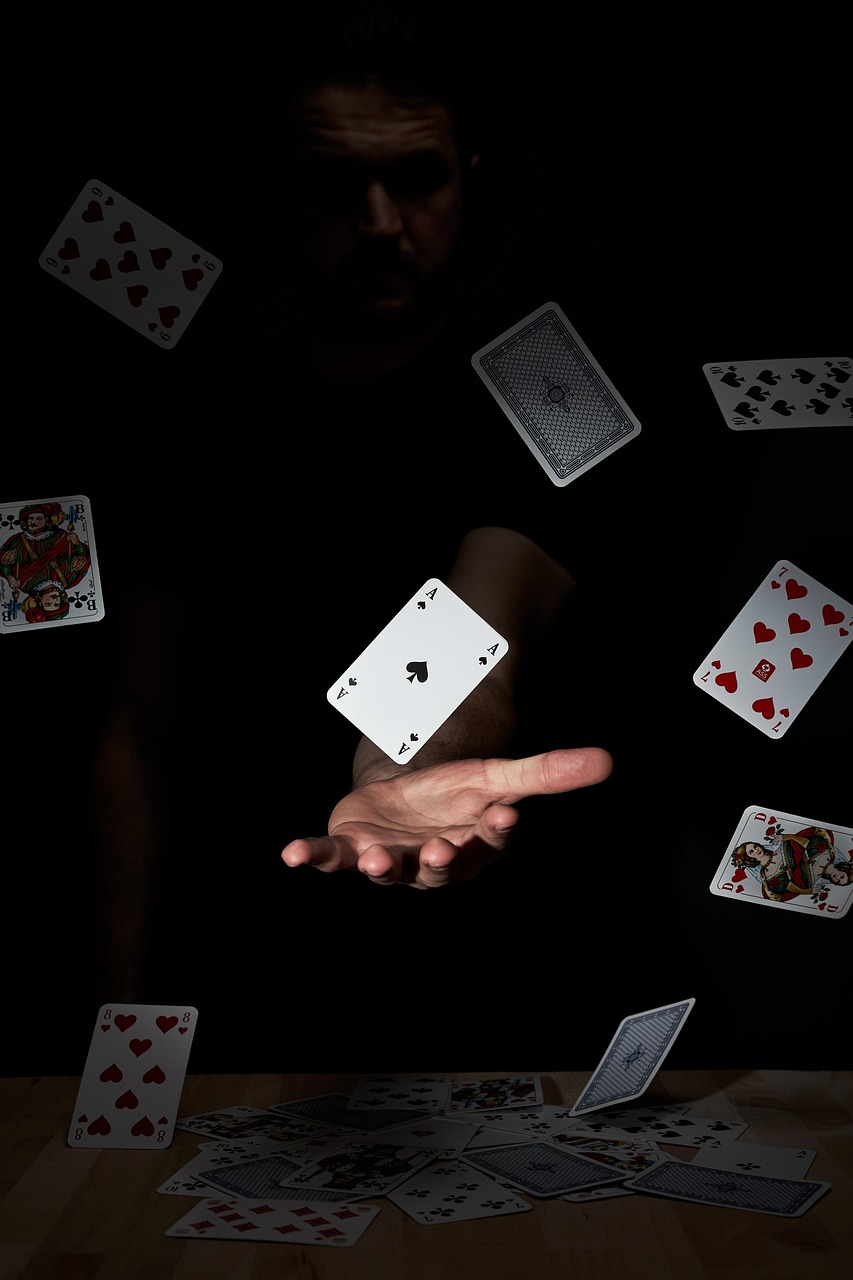
Most people lose at online casinos for one boring reason: they treat gambling like a lottery ticket instead of a skill-adjacent hobby with math behind it. The players who grind out profits—or at least stretch their bankroll across months instead of minutes—aren't lucky. They're deliberate. They read the paytables, they understand variance, and they know when to walk away. If you want to move from the frustrated 90% to the disciplined 10%, here's what actually changes.
Before you touch a single slot or call a single raise, decide what your total gambling budget is for the month. Not for the session—for the month. Treat it like entertainment money you'd spend on concert tickets. Once it's gone, it's gone.
The practical rule most pros use is simple: your session stake should be no more than 5% of your total bankroll, and your bet size should be 1–2% of that session stake. So if you have $500 set aside, you sit down with $25 and you're betting $0.25 to $0.50 per spin. That feels painfully slow. That's the point. It buys you hundreds of spins, which is the only way variance evens out enough for you to actually see the house edge play out instead of getting wiped in 40 spins.
None of this is exciting. All of it is the difference between a hobby and a hemorrhage.
Slot machines get dismissed as pure chance, and technically they are—but not all chance is equal. The two numbers that actually matter are Return to Player (RTP) and volatility.
RTP is the theoretical percentage of all wagered money a slot pays back over millions of spins. A 96% RTP slot has a 4% house edge; a 92% RTP slot has an 8% edge. Over a 1,000-spin session at $1 per spin, that's a difference of $40 in expected losses. Not life-changing in one session, but brutal over a year. Check the info screen—most reputable providers list RTP, and anything under 95% is worth skipping if you have a choice. Those comparing choices often turn to สล็อตเว็บตรง.
Volatility tells you how the slot pays. High-volatility games like Money Train or San Quentin can go 200 spins with nothing and then drop a 5,000x win. Low-volatility slots like Starburst pay small and often. Your bankroll size determines which you should play: small bankroll, low volatility; big bankroll and patience, high volatility.
And here's a tip most casuals ignore: play the demo version first. Every reputable casino offers free play. Fifty spins on demo will tell you if the game's pacing suits you before you spend a cent.
Poker is the only game in this list where a good player can have a genuine long-term edge over a bad one. The house doesn't beat you directly—it takes a rake, and the rest is you versus other players. That changes everything.
The single biggest leak for beginners is playing too many hands. If you're seeing the flop with 40% of your starting hands in a full-ring cash game, you're lighting money on fire. Tight-aggressive play—roughly 15–20% of starting hands in early position, expanding to 25–30% on the button—is the foundation.
Tournament poker is a different animal—variance is massive, and even world-class players go months without a final table. Cash games are where consistent grinders live. If you're new, start with micro-stakes cash tables ($0.01/$0.02 blinds) and don't move up until you've logged at least 10,000 hands with a positive bb/100.
Everyone obsesses over picking winners. Sharp bettors obsess over closing line value (CLV). The idea is simple: if you consistently bet at odds better than the final odds before kickoff, you'll win long-term even if your hit rate looks mediocre.
Example: you back a team at +150 on Monday. By Sunday, the line is +120 because sharp money came in. You got a better price than the closing number, which the market has deemed "correct." Do that over hundreds of bets and the math works in your favor.
Practically, this means:
Chasing losses is the single most expensive emotion in gambling. Casinos design their loyalty programs, free spins, and cashback offers around it. When you're down $200 and get a "$20 bonus," the house is betting you'll deposit $100 more to feel like you're 'using' it.
The fix is mechanical, not motivational. Set your limits before you log in—most regulated casinos let you set deposit limits, loss limits, and session timers natively. Use them. Use them even when you're winning. The players who last aren't the ones with iron willpower; they're the ones who removed the decision from their future, tired, tilted self.
And if gambling ever stops feeling like entertainment—if you're hiding deposits, chasing, or lying about losses—stop. Every regulated operator has self-exclusion tools and links to organizations like GamCare or the National Council on Problem Gambling. Using them isn't weakness; it's the most +EV decision you'll ever make.
iGaming rewards the same qualities it punishes the absence of: patience, arithmetic, and honesty with yourself. The math doesn't care about your gut feeling or your 'lucky' slot. Learn what the numbers mean, size your bets like a grinder instead of a tourist, and treat every session as an experiment you're running on yourself. Do that, and whether you're spinning reels, raising preflop, or fading the public on a Sunday afternoon, you'll be playing a completely different game than the crowd around you.

Dandy Refuge shares practical, down-to-earth guidance on refined home and lifestyle for the modern gentleman for readers across the UK.
Stay Tuned With Updates


Leave A Comment