
31°C, New York


Notification products, updates
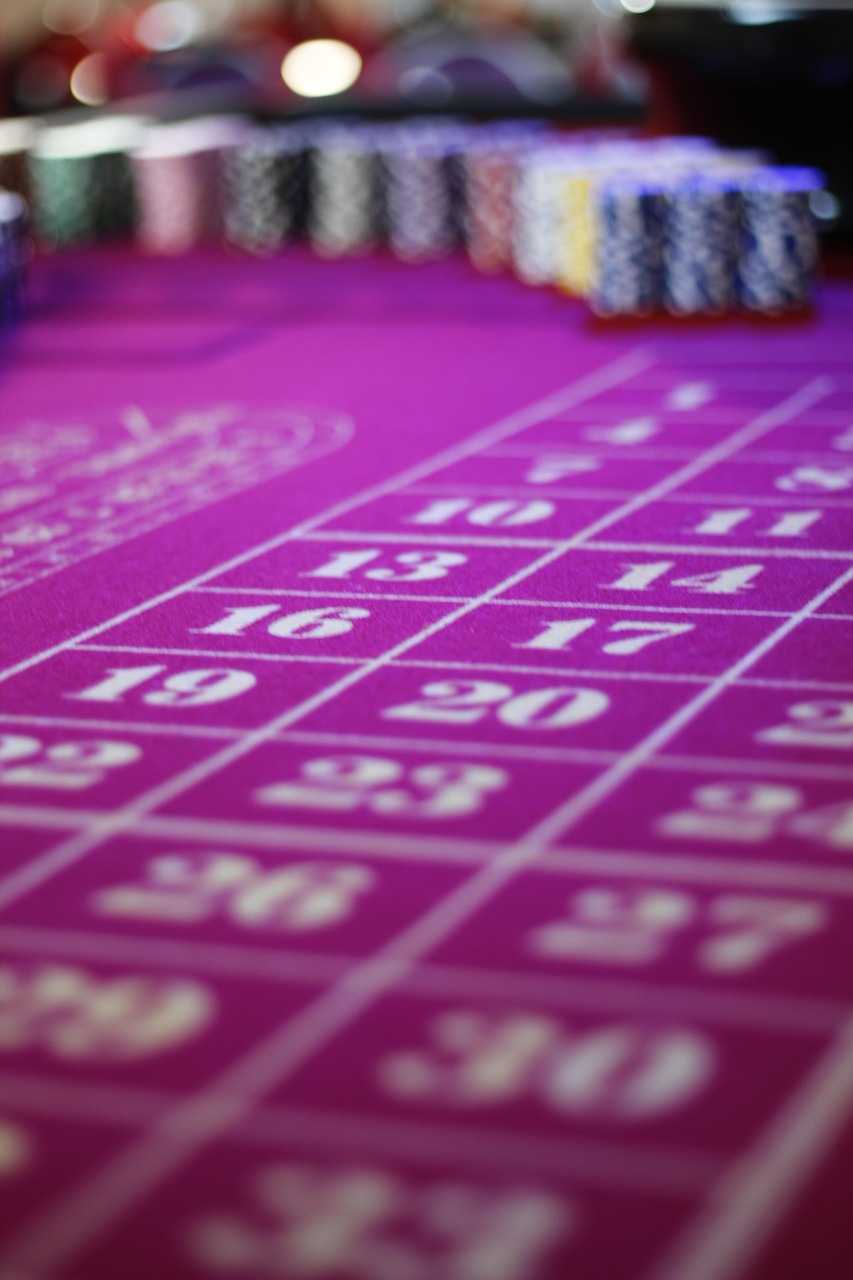
Every poker player remembers the night they couldn't lose. Every slot player remembers the spin that changed their week. And every sports bettor remembers the accumulator that came in by a single goal in the 94th minute. These moments feel like proof of something. They aren't. They're variance wearing a costume, and the sooner you learn to tell variance apart from skill, the faster you stop donating money to people who already know the difference.
This isn't a sermon about gambling being bad. It's a field guide to understanding the math underneath the games, because the players who last — in poker, in betting, in anything with an edge — are the ones who respect the numbers instead of fighting them.
Let's start with the least forgiving category: house-banked casino games. Every one of them has a house edge, and that edge compounds with every bet you place. The size of the edge varies wildly, and most casual players have no idea how wide that spread is. For a closer look, สล็อตเว็บตรง has helpful details.
Here's the part people miss: the house edge doesn't care about your feelings, your lucky shirt, or whether you "deserve" a win after a cold streak. A 5% edge on slots means that, over hundreds of thousands of spins, the machine returns about 95 cents per dollar. In a single session, anything can happen. Over a year of regular play, the math is almost boringly predictable.
Return-to-player percentage (RTP) gets all the attention, but volatility — sometimes called variance — is what actually determines whether you enjoy the session or blow your budget in twenty minutes.
A low-volatility slot pays small amounts frequently. Think of it as a slow bleed with occasional top-ups. A high-volatility slot like many Megaways titles might pay nothing for 200 spins, then hit a 500x bonus. Same RTP, completely different experience.
Practical takeaway: match volatility to your bankroll. If you're playing with $50, high-volatility machines will eat you alive before the bonus ever lands. If you've got a larger budget and patience, high volatility can be more interesting — but it's still a -EV game over time. Slots are entertainment, not an investment strategy, no matter what the guy on the forum tells you about "hot" machines.
Sports betting is different from slots because the bookmaker's margin isn't fixed. It's baked into the odds, and it moves with public money.
Take a standard two-way market. If both sides are priced at -110 (decimal 1.91), the implied probabilities add up to about 104.8%, meaning the book's margin is roughly 4.8%. That's the vig, and it's the tax you pay on every bet.
But here's where sharp bettors separate themselves:
The uncomfortable truth is that the vast majority of recreational bettors lose. Not because they're stupid, but because the margin, combined with emotional betting, is a slow grind that few escape.
Poker is the exception in this whole conversation. You're not playing against the house — you're playing against other people, and the house takes a rake. That means your profit comes from outplaying opponents, not from beating the casino.
That also means poker is brutally honest. A bad player loses slowly. A good player wins slowly. The rake ensures there's no easy money, only edges measured in fractions of a big blind per hundred hands.
Three things separate winning players from the rest:
And don't forget the mental game. Tilt — playing emotionally after a bad beat — is the single biggest leak for otherwise competent players. Fixing tilt is worth more than fixing your preflop range.
Across every category — slots, sports, poker — the people who survive are the ones who treat gambling as a cost, not a source of income. They set limits. They walk away when those limits are hit. They don't chase losses, because the math says chasing makes the expected loss larger, not smaller.
This is unglamorous advice. Nobody makes a YouTube video about leaving the casino after losing their budget. But it's how the game actually works for the 99% of players who aren't professionals.
The igaming industry is built on a simple reality: the house always has the edge, except in poker, where the rake takes its cut. That's not a moral judgment — it's just the architecture of the games. Knowing that architecture doesn't ruin the fun. It makes the fun last longer.
Play the games you enjoy. Learn the odds. Pick your spots. And when the luck runs out — because it always does — recognize it for what it is, not a signal to double down. The players who understand variance are the ones still standing a decade later, while the ones chasing the myth of a hot streak are still wondering where it all went.

Dandy Refuge shares practical, down-to-earth guidance on refined home and lifestyle for the modern gentleman for readers across the UK.
Stay Tuned With Updates


Leave A Comment